
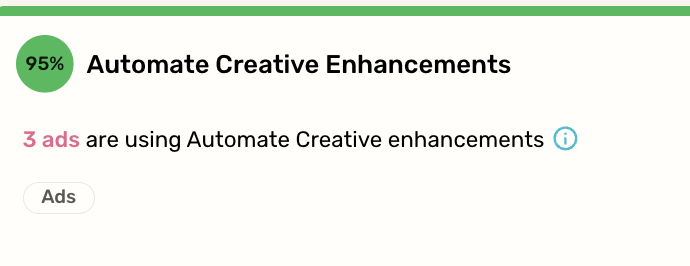
New TikTok insight: Automate Creative Enhancements
TikTok
Automate Creative Enhancements can be unreliable, as TikTok’s AI tools have sometimes created inaccurate or off-brand visuals. To maintain creative quality, consistency, and brand control, it is best to keep these options turned off.
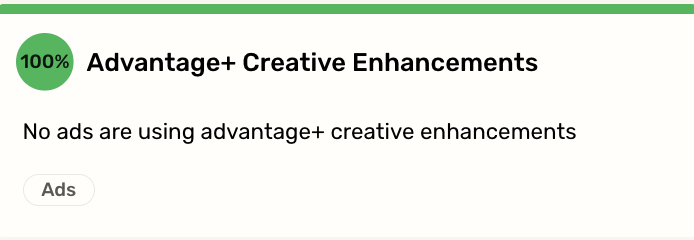
New Meta insight: Advantage+ Creative Enhancements
Meta
Ensure any advantage+ creative enhancements options are not selected (Add details to ad layout, Enhance CTA, Visual touch-ups, text improvements, add video effects). (see UI screenshot below)
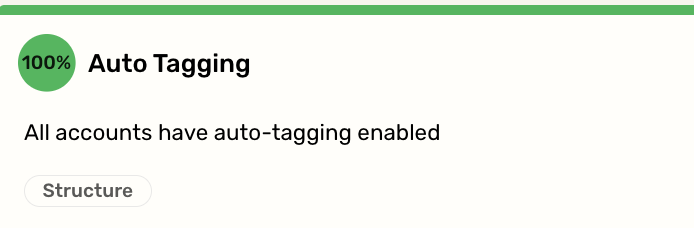
New Google Ads insight: Auto Tagging
Google Ads
Auto-tagging automatically adds a GCLID parameter to your URLs, which is required to track offline conversions and sync detailed campaign data with Google Analytics. You should enable this in your account settings to ensure your reporting is accurate and to unlock advanced conversion tracking features.
Meta Conversions
As we provide visibility and governance across multiple ad platforms, we need to be able to compare Conversions as well as other performance metrics, so we have added a Conversions value to the Meta platform reports this week.
A Conversion is defined as an action closely tied to driving revenue, aligning us with other platforms.
For Meta, Conversions are calculated as the sum of:
Purchases
Leads
Registrations
App installs
We will roll out more detailed reporting, including mimicking the "Results" column from the Meta ad manager in future releases.
Any questions, or feedback, please let me know.
New Meta insight: Defined Audience Targeting
Meta
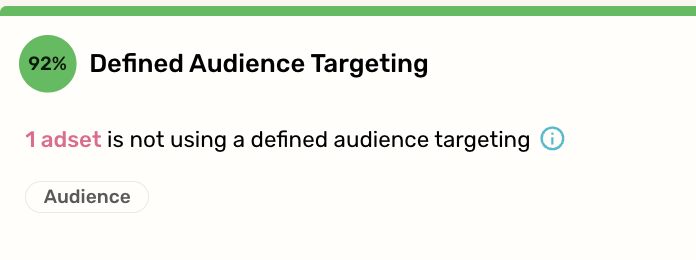
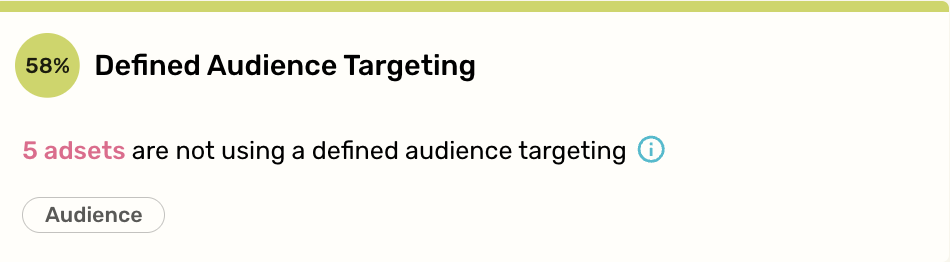
Defining a clear audience boosts campaign performance by giving Meta stronger signals on who to reach. Instead of relying only on location, age and gender targeting, adding detailed targeting (layering demographics, interests, or behaviours), Custom Audiences or Lookalike Audiences help the system find the right users faster, optimise delivery, and reduce wasted spend during the learning phase.
New insight: Language Targeting
Google Ads
Explicit language targeting is not recommended, as it artificially limits reach and excludes users whose browser or device language differs from the ad language - even in single-language markets. Instead, Google’s AI automatically interprets dozens of language signals - including user queries, settings, and behavior - to ensure relevant ads are shown to the right audience, maximizing coverage across multilingual and foreign-speaking users within your target location.
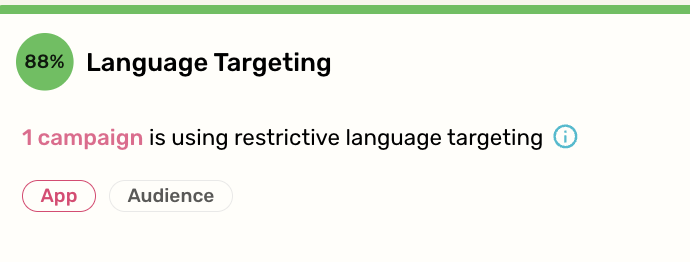
New insight: Geo Presence
Google Ads
Selecting "Presence" instead of "Presence or Interest" ensures your ads are only shown to users physically located or regularly within your target area, rather than those just searching about it from afar. This prevents your budget from being wasted on out-of-market clicks from users who cannot realistically visit your business or use your local services, significantly improving lead quality and conversion rates.
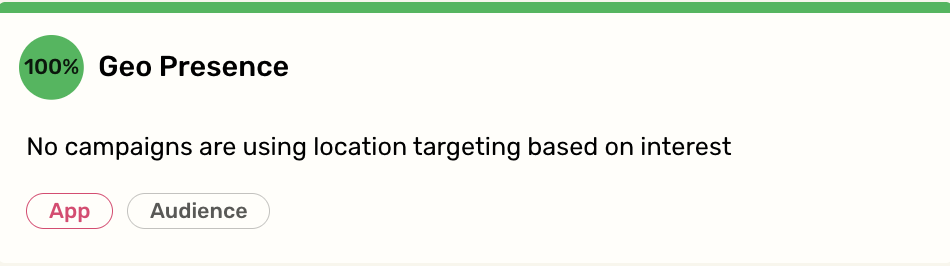
New insight: Geo Targeting
Google Ads
Running a campaign across multiple countries is not recommended because it dilutes the algorithm's ability to optimize for market-specific behaviors, costs, and conversion rates. To achieve better performance, you should separate campaigns by country to allow Google's AI to bid more accurately based on local auction dynamics and to ensure your budget is distributed efficiently across different geographic regions.
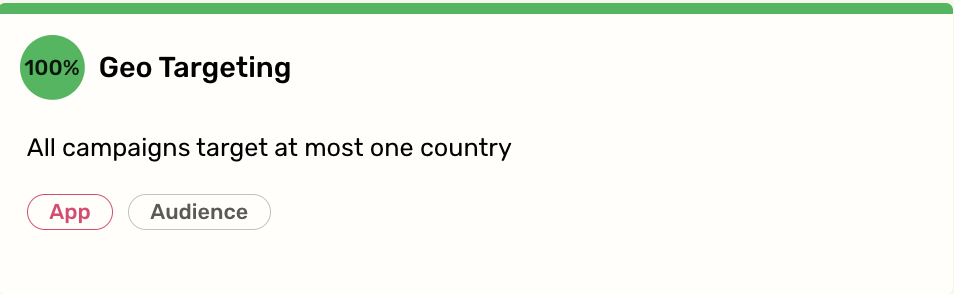
New insight: Line Item Pacing Type
DV360
Using a daily budget for YouTube line items in DV360 is recommended because it allows tighter control over pacing and avoids the delivery swings that can occur with flight budgets. This helps maintain steadier daily spend which supports more predictable optimisation throughout the campaign period.

New insight: Defined Audience Targeting
Meta
Defining a clear audience boosts campaign performance by giving Meta stronger signals on who to reach. Instead of relying only on location, age and gender targeting, adding detailed targeting (layering demographics, interests, or behaviours), Custom Audiences or Lookalike Audiences help the system find the right users faster, optimise delivery, and reduce wasted spend during the learning phase.
New insight: Optimized Image Aspect Ratios
Google Ads
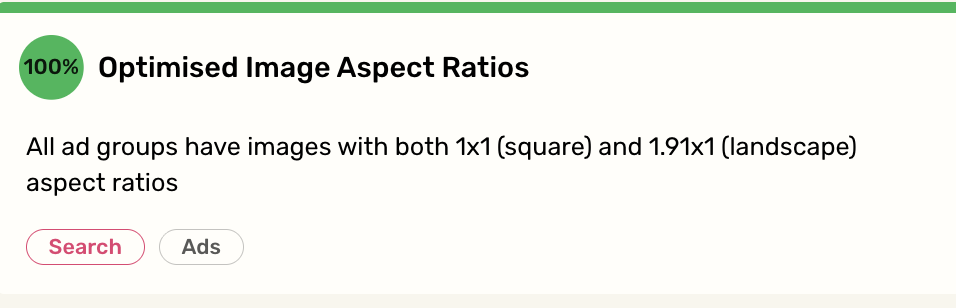
Using both 1x1 (square) and 1.91x1 (landscape) aspect ratio images is a best practice. This ensures your ads are eligible to show on a wider variety of placements, maximizing your reach and visibility. Providing both options gives the system more flexibility to serve the most visually appealing ad for different formats and devices, leading to improved user engagement.
New insight: Image Extension
Google Ads
Adding images to your Search Ads is a best practice that significantly enhances ad visibility and appeal. Providing at least four images gives the system a variety of visual assets to test, allowing it to serve the most relevant and engaging image to different users. This can lead to improved ad performance, higher click-through rates, and a more effective way to stand out from competitors.

New insight: Ad Group Level Keyword Approval
Google Ads
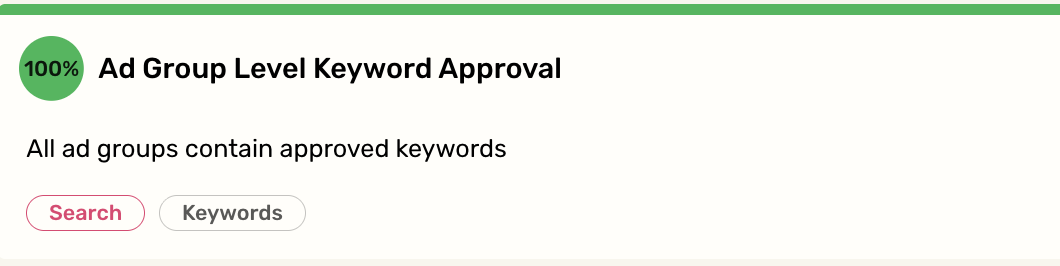
When all keywords in an ad group are disapproved, that ad group won’t trigger any ads, reducing overall campaign coverage. Review the violations, adjust the keywords accordingly and resubmit to restore delivery.
New insight: Equivalent Keywords
Google Ads
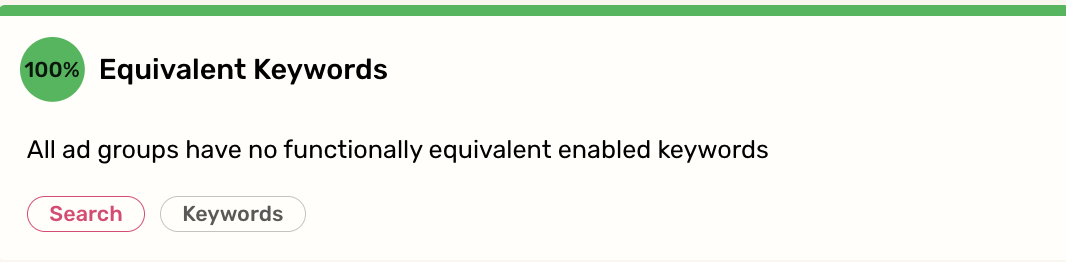
Google Ads treats certain characters (like periods or dashes) as spaces, making keywords like [[shoebrand.com](http://shoebrand.com/)] and [shoebrand com] functionally identical. Having multiple enabled keywords that are effectively the same can clutter ad groups and dilute performance insights without improving coverage.
New insight: Single Format
DV360
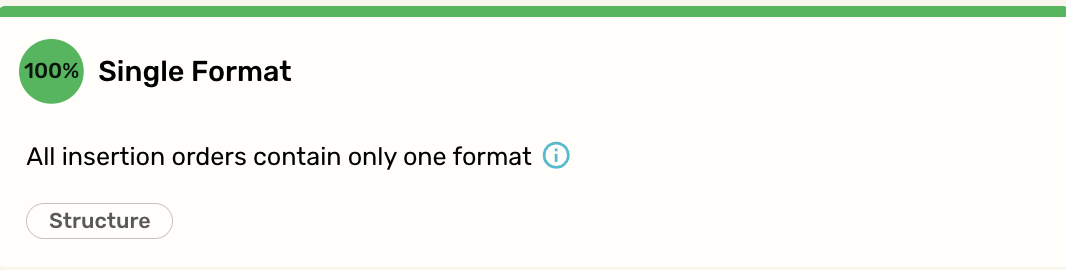
Using only one format per IO by grouping similar line items (e.g. all display or all video) improves targeting consistency, simplifies optimisation and enhances reporting clarity. It ensures more accurate insights and better pacing across a single media type.
New insight: Single Country Targeting
Meta
For optimal campaign performance on Meta, all ad sets within a single campaign should target locations within the same country. This is crucial for effective budget optimization, especially with Campaign Budget Optimization (CBO), as it allows the algorithm to freely and efficiently allocate budget. Targeting different countries within one campaign creates significant conflicts for the delivery system, obscuring data and hindering the algorithm's ability to learn and optimize effectively for a single objective.
New insight: Geo Targeting
TikTok
Geo targeting ensures your ads reach users in specific geographic areas where your product or service is available, increasing relevance, boosting engagement and conversion rates, and reducing wasted ad spend in non-serviceable regions.
New insight: Content Theme Exclusion Coverage
Google Ads
Excluding Content Themes like Games, Health, News, Politics, and Religion allows advertisers to protect brand safety and ensure ads appear in contexts more aligned with their messaging. These categories can be highly sensitive, attract diverse or controversial discussions, or simply be irrelevant to your core audience, potentially leading to inefficient ad spend and brand reputation risks. Focusing on more suitable content environments enhances ad effectiveness and brand perception.
New insight: Line Item Budget Capping
DV360
Setting line item budgets to ‘unlimited’ stops campaigns from pausing too soon or slowing down at line item level. This keeps ads running smoothly and lets the overall campaign budget manage spend and pacing for better reach and results.

New insight: Account Level Sensitive Content Exclusion
Google Ads
Excluding sensitive content categories on account level is crucial for brand safety and reputation management. It prevents your ads from appearing alongside content related to tragedy, conflict, profanity, or sexually suggestive themes, which could negatively impact how consumers perceive your brand and potentially waste ad spend on unsuitable placements.
